The Quiet Return of Real-Life Hobbies
Kolton Xiong
July 25, 2026
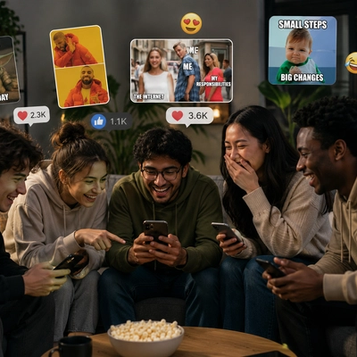
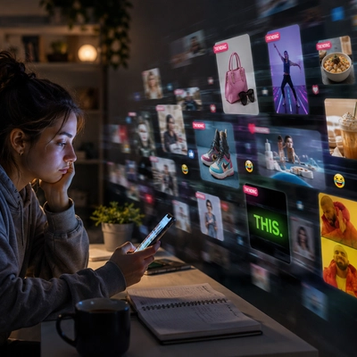
For years, free time increasingly meant more screen time. Whether scrolling through social media, streaming another episode, or playing online games, much of our leisure shifted toward digital entertainment. While technology made it easier to stay connected, it also left many people feeling mentally drained and searching for something more satisfying.
In response, there’s been a quiet return to hobbies that exist almost entirely offline. Reading, gardening, baking, painting, knitting, hiking, photography, woodworking, and countless other hands-on activities are finding new audiences. These hobbies aren’t making headlines every day, but they’re steadily becoming part of how people choose to spend their time.
People are craving a break from screens
Many jobs already require hours spent in front of computers.
By the time the workday ends, adding several more hours of scrolling often leaves people feeling less rested than they expected. Offline hobbies offer a different kind of mental experience. They encourage focus on a single activity instead of constant notifications, updates, and distractions.
The appeal isn’t about rejecting technology entirely.
It’s about creating moments where your attention belongs to the present instead of your screen.
Making something feels different than consuming something
Digital entertainment is largely passive.
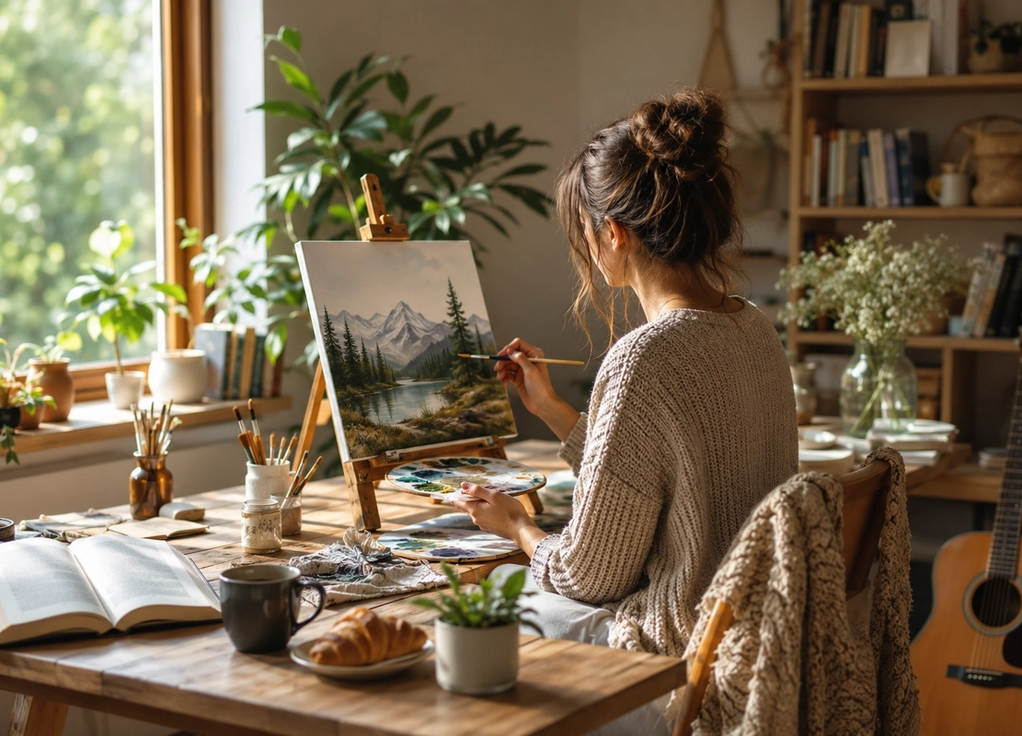
You watch videos, browse posts, or read headlines created by someone else. Creative hobbies reverse that relationship. Whether you’re baking bread, learning an instrument, building furniture, or sketching in a notebook, you’re producing something rather than simply consuming content.
That sense of creation often brings a deeper feeling of accomplishment.
Even imperfect results can feel more rewarding than hours of endless scrolling.
Hobbies reduce the pressure to be productive
Modern life often encourages people to turn every interest into a side business.
A hobby, however, doesn’t have to generate income or build a personal brand to be worthwhile. It can exist simply because you enjoy it.
Reading novels, tending a garden, sewing clothes, or learning to paint doesn’t need a measurable return on investment. The value comes from the experience itself.
Doing something purely for enjoyment is increasingly becoming an act of balance.
Learning keeps the mind engaged
Many real-life hobbies involve gradual improvement.
At first, you might struggle with photography, pottery, cooking, or playing an instrument. Over time, small gains become visible, creating a satisfying sense of progress.
Unlike the instant rewards of many digital platforms, hobbies teach patience. They remind us that meaningful skills are built through repetition rather than quick results.
The process becomes just as enjoyable as the outcome.
Hobbies bring people together
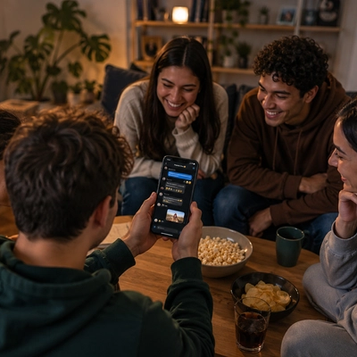
Offline activities often create opportunities for genuine connection.
Book clubs, hiking groups, sports leagues, community gardens, craft workshops, and music classes allow people to meet others who share similar interests. Conversations naturally grow around a common activity rather than endless online updates.
These shared experiences help build friendships that extend beyond the hobby itself.
Sometimes the best communities are formed around simple interests.
A more balanced relationship with technology
The return of real-life hobbies doesn’t mean technology is disappearing.
In fact, many people discover new interests through online videos, communities, or tutorials before practicing them offline. The internet has become a gateway to learning, while the hobby itself provides a welcome break from constant connectivity.
The goal isn’t to choose between digital and physical life.
It’s to make space for both in a way that feels healthy and fulfilling.
The growing popularity of real-life hobbies reflects a broader desire for balance in an increasingly digital world. People are rediscovering the satisfaction of creating, learning, and connecting through activities that don’t depend on constant notifications or endless scrolling. Whether it’s reading, cooking, painting, hiking, or building something with your hands, these hobbies offer more than entertainment—they provide focus, creativity, and a sense of accomplishment. In a culture that often celebrates speed and productivity, taking time to enjoy a simple hobby may be one of the most meaningful ways to slow down and reconnect with yourself.