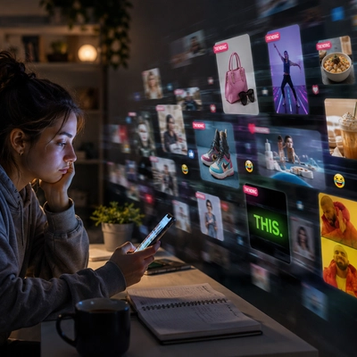
The Real Reason Memes Spread So Fast
Elora Mueller
July 25, 2026
A funny image, a short video, or a clever caption can travel across the internet in a matter of hours, reaching millions of people around the world. Memes have become one of the internet’s most recognizable forms of communication, influencing everything from entertainment and advertising to politics and popular culture.
While memes often seem spontaneous, there are clear reasons why some spread rapidly while countless others disappear without notice. Their success isn’t random—it’s rooted in how people communicate, connect, and share ideas online.
Memes are easy to understand
One reason memes spread so quickly is that they communicate an idea almost instantly.
A single image paired with a short caption can express humor, frustration, excitement, or sarcasm in just a few seconds. Unlike long articles or videos, memes require very little time or effort to consume.
In an online environment where attention is limited, simplicity gives memes a significant advantage.
The faster people understand a message, the more likely they are to share it.
They create a sense of belonging
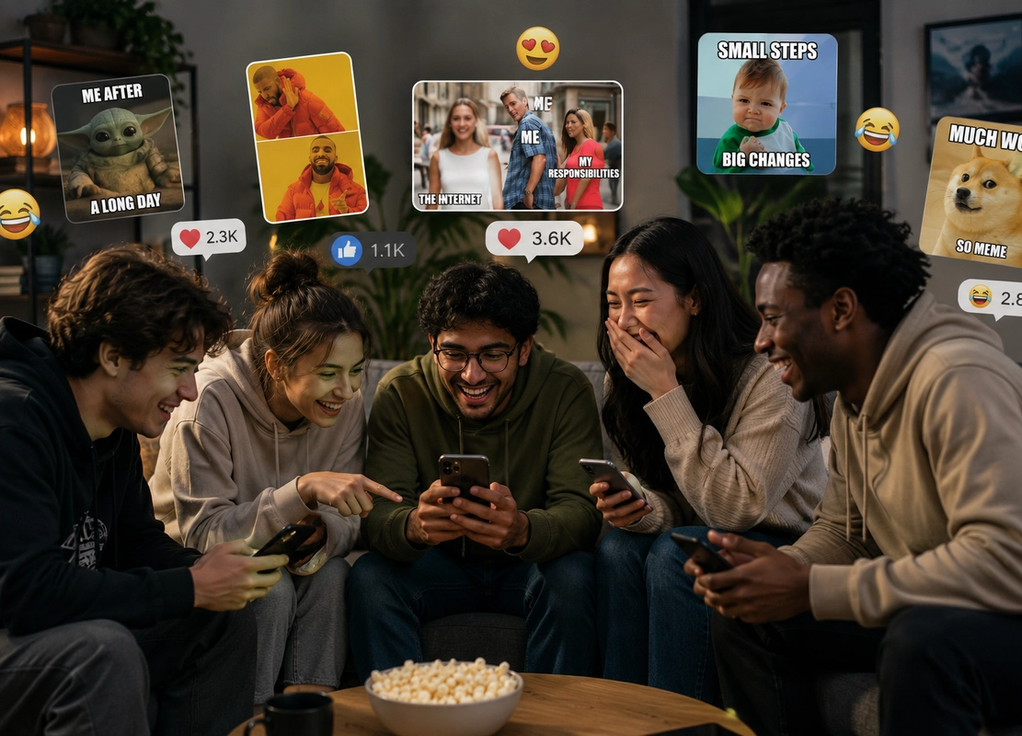
Many memes reference shared experiences.
Whether they’re about work, school, parenting, technology, or everyday life, memes often make people think, “That’s exactly how I feel.” Sharing a meme becomes a way of saying, “You get this too.”
This sense of shared understanding helps build communities online. People enjoy content that makes them feel connected to others with similar experiences or interests.
Sometimes a meme spreads because it makes people feel seen.
Emotion drives sharing
People rarely share content simply because it’s informative.
Instead, they tend to share things that make them laugh, feel surprised, nostalgic, inspired, or even slightly uncomfortable. Memes are especially effective because they often trigger an immediate emotional response.
Humor is one of the strongest drivers of sharing, but it’s not the only one. Memes that capture relatable frustrations or current events can spread just as quickly.
The stronger the emotional reaction, the greater the likelihood that someone will pass it along.
Social media rewards engagement
Modern social media platforms are designed to promote content that generates interaction.
When people like, comment on, save, or share a meme, algorithms often show it to even more users. This creates a cycle where popular memes become increasingly visible, allowing them to spread far beyond their original audience.
Timing also plays an important role. Memes connected to breaking news, sporting events, or cultural moments often gain momentum because large numbers of people are discussing the same topic at once.
Visibility helps turn ordinary posts into viral ones.
Anyone can participate
Unlike many forms of media, memes are easy to adapt.
People frequently create new versions using the same image, video, or format while adding their own joke or perspective. This allows memes to evolve as thousands of people contribute their own variations.
Rather than remaining fixed, successful memes become collaborative conversations that continue growing across different communities and platforms.
Creativity fuels their longevity.
Memes have become a cultural language
Memes are no longer just internet jokes.
Businesses use them in marketing campaigns, educators incorporate them into lessons, public figures reference them in speeches, and friends use them in everyday conversations. In many cases, a meme communicates an idea more effectively than a paragraph of text.
As digital communication continues to evolve, memes have become a modern form of storytelling—combining humor, emotion, and shared cultural references into content that people immediately recognize.
They’ve become part of how people communicate online.
Memes spread quickly because they are simple, emotional, relatable, and easy to share. They tap into shared experiences, encourage participation, and benefit from social media platforms that reward engaging content. While they may seem like lighthearted entertainment, memes also reveal how people connect, communicate, and respond to the world around them. Their ability to capture complex emotions or cultural moments in just a few words and an image is what makes them one of the internet’s most powerful forms of expression.